Skilled Plaster Services for Seamless Finishes
Expert plastering solutions proves critical for realizing top-tier surface quality in commercial and residential premises. Seasoned professionals apply the core techniques and materials to confirm surfaces are smooth, durable, and visually appealing. Owners regularly miss the consequence of expert plastering on total property value and performance. Comprehending the details of the profession can yield informed choices. Still, numerous parties battle common obstacles that may compromise their renovation projects. What determinants should one assess when seeking professional expertise?
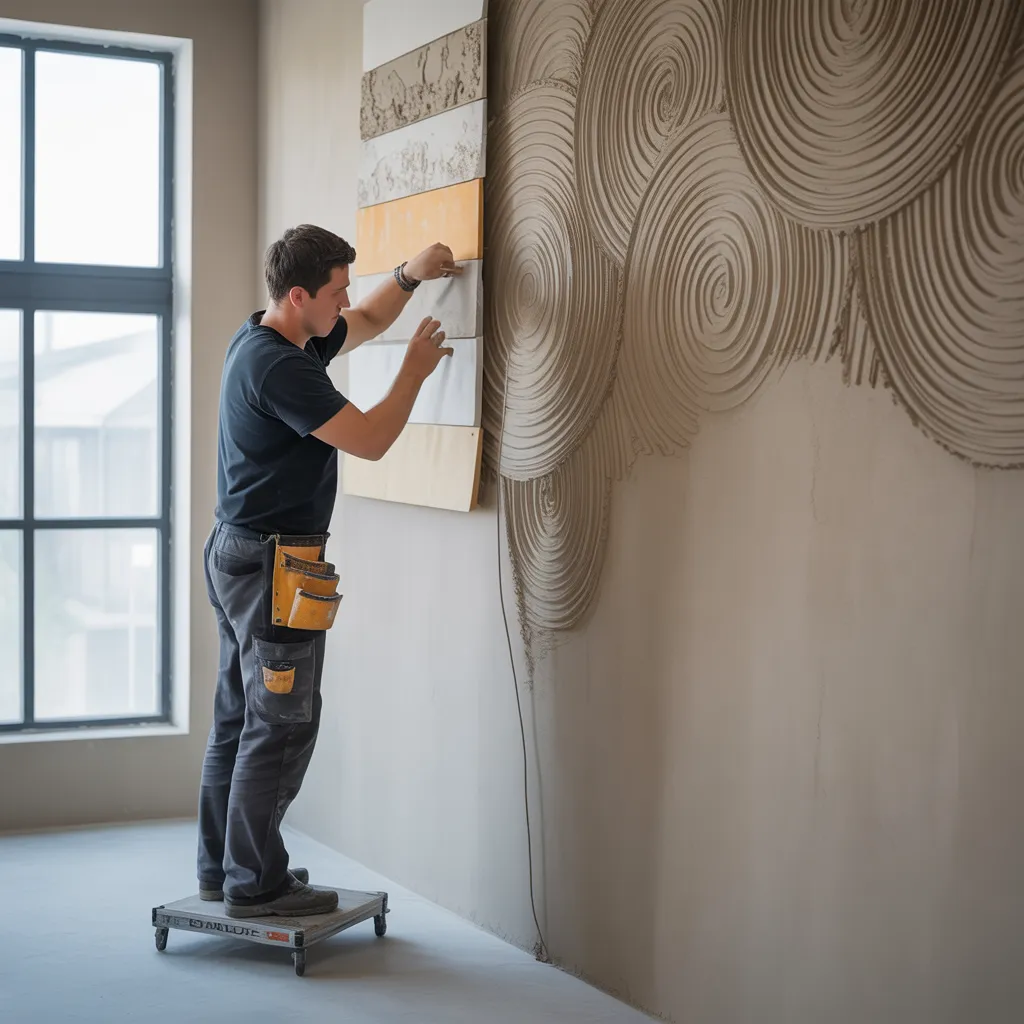
Professional Plastering Solutions: Why They Matter
When reviewing home renovations, the importance of skilled plastering work cannot be overstated. Superior plaster finishing is important for producing a smooth, aesthetically pleasing finish that improves the overall appearance of a environment. Professionals provide expertise and experience to the process, guaranteeing that the plaster is properly placed and sticks securely to areas. This lowers the risk of splits, flaking, or rough surfaces that can occur from unprofessional work.
Moreover, seasoned plaster professionals employ high-caliber equipment and supplies, supporting the longevity and resilience of the coating. They are experienced in multiple application systems, which affords custom-fit approaches that fulfill defined renovation requirements. Investing in skilled plaster work not only augments the attractiveness and beauty of a home but also boosts its financial value. In the end, retaining experts ensures a mastery corresponding information level that home-based approaches seldom cannot rival, making it an crucial aspect of accomplished home renovations.
Methods Skilled Plasterers Employ for Quality Finishes
Professional plasterers utilize a variety of techniques to ensure superior outcomes that improve both aesthetics and durability. One essential method is the application of a consistent and appropriate mix of plaster, achieving ideal bonding and workability. They meticulously condition areas, addressing flaws and controlling moisture control, which is essential for an even finish.
In addition, expert plasterers utilize advanced tools, like trowels and hawks, to apply plaster evenly. Techniques like the "float and set" method allow for better texture and a sleek surface. They also implement layering strategies, applying thin coats to avert cracking and promote even drying.
Attention to detail is essential; expert plasterers skillfully blend joints and edges, producing seamless shifts. Finally, they may use finishing techniques, such as sanding or polishing, to achieve a flawless look. Collectively, these techniques guarantee results that not only meet but exceed client expectations.
Prevent These Ordinary Plastering Blunders
When undertaking plaster work, steering clear of typical errors is vital for attaining a smooth result. Poor prep work can cause adhesion issues, while improper mixing ratios may damage the plaster durability. Spotting and tackling these problems can greatly enhance the final quality of the work.
Inadequate Ground Readiness
Proper surface readiness is critical for achieving a flawless plaster finish. Insufficient preparation can lead to numerous problems, such as poor bonding and uneven surfaces. Professionals stress the importance of cleaning the surface to remove dust, grease, and old paint. Any imperfections, like cracks or holes, must be fixed to guarantee a smooth base. Additionally, applying a suitable bonding agent can enhance adhesion, especially on porous or chalky surfaces. Neglecting these steps often results in peeling, bubbling, or cracking of the plaster, undermining the overall aesthetic. By prioritizing thorough surface readiness, plastering experts can mitigate common pitfalls and guarantee a durable, high-quality finish that enhances the appearance and longevity of walls and ceilings.
Improper Mixing Proportions
Getting the perfect plastering consistency relies on proper blend proportions, an essential step often neglected by novices. Wrong ratios of plaster to water can lead to multiple problems, such as weak bonding or a surface that fractures and deteriorates. For instance, too much water can dilute the plaster, resulting in weak finishes that miss durability. Conversely, insufficient water can create a thick mixture that is hard to spread and prone to inconsistent curing. Experts stress the significance of following manufacturer guidelines for mixing ratios to guarantee peak performance. By preventing these typical blending errors, plasterers can achieve a flawless finish that improves both the aesthetic and structural integrity of the surfaces they work on.
5 Tips for Locating the Finest Plastering Contractor for Your Remodel
When evaluating a plastering contractor for a home renovation, it is critical to verify the background and experience of prospective professionals. This ensures that the selected professional demonstrates the knowledge and expertise required for the assignment. Additionally, requesting thorough quotes assists homeowners comprehend the project scope and financial commitments, enabling prudent decision-making.
Verify Qualifications And Experience
What steps should homeowners take to ensure they are selecting the appropriate plaster contractor for their home improvement? A vital step is to validate the qualifications and track record of prospective plasterers. Homeowners must identify specialists that hold insurance and licenses, since these qualifications show a priority on excellence and protection. Furthermore, copyrightining industry certifications will further confirm skill in plaster application methods.
Experience functions as a key role; a contractor with years in the field is likely to have dealt with diverse challenges and formulated effective solutions. Homeowners should also seek reviews and testimonials from previous clients to determine satisfaction and reliability. By thoroughly checking credentials and experience, homeowners can make educated decisions, ultimately leading to a successful renovation.
Ask for Thorough Estimates
Once you have confirmed credentials and experience, homeowners should focus on asking for detailed estimates from candidate plastering services. This step is essential in guaranteeing transparency and understanding of the project's scope. Homeowners should seek estimates that itemize costs, including materials, labor, and any additional fees. It is prudent to assess at least three estimates to determine market rates and avoid overpricing. Moreover, homeowners should question about the estimated timeline for completion, as delays can impact renovations substantially. Transparent communication during this phase can help define expectations and responsibilities. Ultimately, choosing a plastering service based on well-documented estimates can lead to a easier renovation experience and enhance satisfaction with the finished results.
Lasting Rewards of Bringing on Skilled Plasterers
Putting money into skilled plasterers delivers major long-term benefits that boost both appearance and durability. Quality plastering work not only creates a pleasing visual finish but also supports the load-bearing capacity of walls. Professional experts understand the intricacies of different plaster types, making sure that the plaster sticks securely and endures weather conditions. This proficiency cuts down the possibility of cracks, peeling, and damage over the years, lowering the necessity for expensive fixes.
Moreover, a well-executed plastering job strengthens heat retention and power usage, leading to monetary advantages on HVAC expenses. The persistence of the layer means homeowners can savor their capital outlay without repeated maintenance work or new applications. Additionally, retaining qualified plasterers can add value of a dwelling, making it as more appealing to prospective clients. Ultimately, the benefits of expert plastering services transcend quick visual improvements, offering permanent benefits that justify the original outlay.
Revamping Your Space: Before and After Plaster copyrightples
Observing the change of a space through professional plastering can be truly remarkable. Before plastering, walls often present blemishes, such as cracks, uneven surfaces, and peeling paint, creating an uninviting atmosphere. In contrast, after plastering, these same walls can appear refined, clean, and beautiful, greatly improving the overall ambiance of the room.
For instance, a living room that once felt cramped and dated can be rejuvenated with a new plaster surface, allowing light to shine off its newly polished finishes. Similarly, a bathroom previously marred by water damage can restore its charm with expert plastering, ensuring both visual appeal and lasting quality.
Before and after copyrightples demonstrate the impact of proficient plastering on a building's worth and appeal. In conclusion, these transformations prove how professional plastering offerings can revitalize into any area, giving both beauty and functionality.
Typically Posed Questions
How Much Time Does a Typical Plastering Project Normally Last?
A common plastering project ordinarily takes roughly one to three days, contingent on the size and complexity of the area. Considerations such as setting time and layered applications may also alter the total length.
What Types of Plaster Are Typically Applied?
Commonly applied plaster types feature gypsum plaster, cement plaster, and lime plaster. Each serves distinct purposes; gypsum is favored for interiors, cement ensures durability for exteriors, while lime gives suppleness and vapor permeability in various applications.
Can You Apply Plaster During Wet Weather?
Plastering under wet conditions is generally not advisable, as excess water can compromise adhesion and drying times. Ideal environmental settings are critical for producing excellent outcomes, ensuring durability and a smooth finish in plastering endeavors.
What Techniques Should I Take to Care for Freshly Plastered Walls?
To preserve freshly applied plaster surfaces, ensure adequate air circulation, avoid high humidity levels, and refrain from contacting the walls until completely hardened. Regularly check for cracks or imperfections and use a appropriate protective coating once completely dried.
What eco-friendly plaster options are available?
Certainly, eco-friendly plaster options are available, including natural clay, lime plasters, and gypsum substitutes. These materials lessen environmental impact while guaranteeing sustainable breathability, making them fitting selections for environmentally conscious projects.